Most people rarely think about their septic system until something goes wrong. One day everything seems to be working perfectly, and the next, unpleasant odors, slow drains, or sewage backups suddenly become a major problem. What many property owners do not realize is that these costly and inconvenient issues are often preventable through routine septic pumping.
Although it may not be the most exciting aspect of property maintenance, septic pumping plays a vital role in keeping wastewater systems functioning properly. Understanding what septic pumping is and why it matters can help property owners avoid expensive repairs, extend their septic system’s lifespan, and maintain a healthier environment. Visit Website for more details.
What Is Septic Pumping?
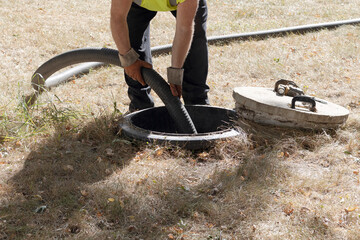
Septic pumping is the process of removing accumulated sludge, scum, and wastewater from a septic tank using specialized vacuum equipment. Over time, solid waste settles at the bottom of the tank and forms a layer known as sludge. Oils, grease, and lighter materials float to the top, creating a layer called scum.
Between these two layers is liquid wastewater, often referred to as effluent. As wastewater enters the septic tank, natural processes separate solids from liquids, allowing the effluent to flow into the drain field for further treatment.
Although the septic tank is designed to hold and process waste, it cannot eliminate all solids completely. Sludge and scum gradually accumulate and take up valuable space inside the tank. If these materials are not removed through regular pumping, they can interfere with system performance and increase the risk of failure.
Septic pumping removes these accumulated materials and restores the tank’s capacity, allowing it to continue operating efficiently.
How a Septic System Works
To understand the importance of septic pumping, it helps to understand how a septic system functions. A septic system is an underground wastewater treatment system commonly used on properties that are not connected to a municipal sewer network.
Wastewater from sinks, toilets, showers, washing machines, and other household fixtures flows into the septic tank. Inside the tank, solids separate from liquids through natural settling processes.
Beneficial bacteria within the tank help break down some organic waste. However, these bacteria cannot completely eliminate all solids. As a result, sludge and scum continue to build up over time.
The liquid effluent exits the tank and travels to the drain field, where it undergoes additional filtration through soil. This process helps remove contaminants before the treated water returns to the environment.
When excessive solids accumulate inside the tank, they can be carried into the drain field. This can cause clogs, reduce system efficiency, and potentially lead to expensive repairs.
Routine septic pumping helps prevent these issues by keeping solid waste levels under control.
Why Septic Pumping Is Important
Septic pumping is one of the most important maintenance tasks for any septic system. Without regular pumping, sludge and scum levels can reach a point where the tank can no longer function effectively.
One of the primary benefits of septic pumping is preventing sewage backups. When the tank becomes too full, wastewater may have difficulty flowing through the system. This can result in slow drains, unpleasant odors, and sewage backing up into the property.
Pumping also protects the drain field. Excessive solids entering the drain field can clog soil pores and reduce the system’s ability to absorb wastewater. Drain field repairs or replacement can be extremely expensive, making prevention especially valuable.
Another important benefit is extending the lifespan of the septic system. Regular maintenance helps reduce wear on system components and allows the tank to operate as intended.
In addition, septic pumping supports environmental protection by reducing the risk of untreated wastewater reaching groundwater or nearby water sources.
Signs That Your Septic Tank Needs Pumping
While regular maintenance schedules are important, there are also warning signs that may indicate a septic tank requires pumping sooner than expected.
Slow drains throughout the property are among the most common indicators. If sinks, showers, and toilets all begin draining slowly, the septic tank may be approaching capacity.
Unpleasant odors around drains, the septic tank area, or the drain field can also signal excessive waste accumulation. These odors often indicate that the system is struggling to process wastewater effectively.
Standing water or unusually lush grass near the drain field may suggest that wastewater is not being properly absorbed. This condition can indicate that the system is overloaded or experiencing drainage problems.
Gurgling sounds in plumbing fixtures may occur when air becomes trapped within partially blocked pipes or when wastewater movement is restricted.
In more severe cases, sewage backups inside the property can occur. This situation requires immediate attention and often indicates that the tank is overdue for pumping.
Recognizing these warning signs early can help prevent more serious and costly issues.
The Septic Pumping Process Explained
Many property owners are unfamiliar with what actually happens during a septic pumping appointment. The process is relatively straightforward but requires specialized equipment and trained professionals.
The first step involves locating and uncovering the septic tank access points. Once the tank is accessible, the technician opens the lids and performs an initial inspection.
The technician typically measures sludge and scum levels to evaluate the condition of the tank. This information helps determine whether pumping is necessary and provides insight into overall system health.
A vacuum truck is then used to remove the contents of the tank. Powerful suction equipment extracts liquid waste, sludge, and scum from the tank and stores it in the truck for transport.
During pumping, technicians may agitate the tank contents to break up compacted solids and ensure thorough removal. Once the tank is emptied, a more detailed inspection can be performed.
The technician checks for cracks, leaks, damaged baffles, root intrusion, and other potential issues that may affect system performance. After the inspection is complete, the tank lids are securely replaced.
The collected waste is transported to an approved treatment facility where it is processed and disposed of according to environmental regulations.
How Often Should Septic Pumping Be Performed?
The ideal pumping schedule varies depending on several factors. Tank size, household size, water usage habits, and the amount of waste entering the system all influence how quickly solids accumulate.
Many residential septic systems require pumping every three to five years. However, larger households may need more frequent service due to increased wastewater production.
Smaller households with conservative water usage may be able to extend the interval between pumping appointments. The best way to determine an appropriate schedule is through regular inspections.
Professional evaluations help identify sludge accumulation rates and provide recommendations based on actual system conditions. Following a customized maintenance schedule helps prevent overloading and supports long-term system performance.
Waiting until problems appear is generally not recommended, as preventive pumping is often much less expensive than repairing system damage.
Common Habits That Affect Septic Tank Performance
Daily habits have a significant impact on how quickly a septic tank fills and how efficiently it operates. Understanding these factors can help property owners reduce strain on the system.
Excessive water usage is one of the most common contributors to septic problems. Large volumes of water entering the system within a short period can disrupt settling processes and reduce treatment efficiency.
Improper disposal practices can also create issues. Items such as wipes, paper towels, hygiene products, and other non-biodegradable materials should never be flushed because they do not break down easily inside the tank.
Grease, fats, and oils can contribute to excessive scum buildup and should be disposed of properly rather than poured down drains.
Harsh chemicals may interfere with the beneficial bacteria that help break down organic waste. Using cleaning products responsibly can support healthier system operation.
Good habits combined with regular pumping help maintain efficient wastewater treatment and reduce the likelihood of system failures.
Benefits of Professional Septic Maintenance
While septic pumping is essential, it works best as part of a comprehensive maintenance program. Professional inspections provide valuable information about system condition and help identify potential concerns before they become major problems.
Routine maintenance helps improve system reliability and reduces the risk of unexpected emergencies. It also allows technicians to monitor components such as baffles, pipes, and the drain field.
Maintaining detailed service records can be beneficial for future property transactions and may provide documentation of responsible system care.
Professional maintenance supports long-term performance while helping property owners protect their investment.
Final Thoughts
Septic pumping is a critical component of septic system maintenance that helps ensure efficient wastewater treatment, prevents costly repairs, and protects environmental health. By removing accumulated sludge and scum from the septic tank, pumping restores system capacity and reduces the risk of backups, drain field damage, and system failure. Understanding how septic pumping works and following a regular maintenance schedule can significantly extend the life of a septic system while providing dependable performance for years to come. For property owners who rely on onsite wastewater treatment, routine septic pumping remains one of the most valuable preventive maintenance practices available.